








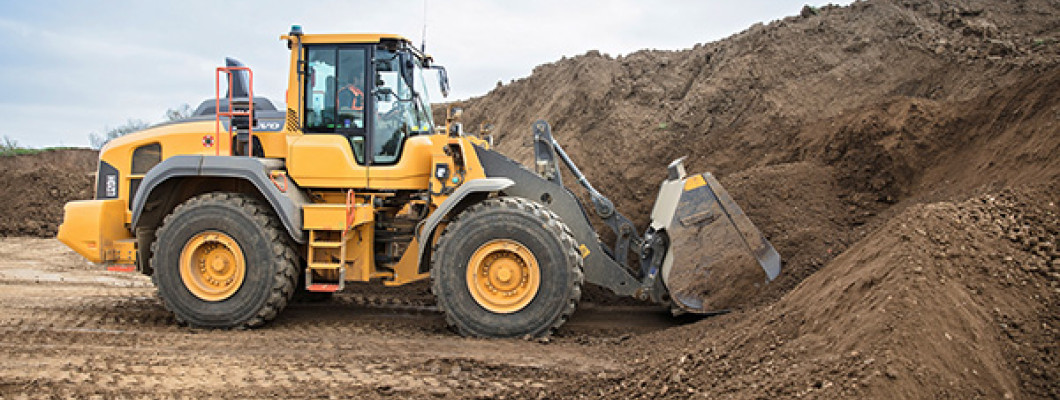
Beneath our feet lies a hidden treasure that is often overlooked but holds immense significance for the health of our planet. The uppermost layer of soil is the backbone of terrestrial ecosystems, providing essential nutrients, supporting plant growth, and promoting biodiversity. As a leading provider of high-quality topsoils and sports Loams, we understand the significance of topsoil and its impact to our business and the environment. In this blog post, we delve into the vital role of topsoil and its significance in sustaining life on Earth.
Nutrient-Rich Foundation
Topsoil acts as a nutrient reservoir, harbouring a rich blend of organic matter, minerals, and microorganisms. This nutrient abundance is crucial for plant growth and productivity. The organic matter present in topsoil enhances its fertility by decomposing and releasing essential nutrients, such as nitrogen, phosphorus, and potassium, in forms that plants can readily absorb. Without a healthy layer of topsoil, the availability of these vital nutrients would be severely limited, hindering the growth of plants and disrupting the entire food chain.
Sustaining Plant Life
Plants rely on topsoil for anchorage, moisture retention, and nutrient absorption. The diverse root systems of plants penetrate the topsoil layer, firmly anchoring them and preventing soil erosion. Additionally, topsoil acts as a sponge, capable of holding and slowly releasing water, ensuring a steady supply for plant roots during dry spells. The retention of moisture in topsoil is critical for the survival of plants, particularly in regions facing water scarcity or drought.
Furthermore, the interconnected web of microorganisms and fungi present in topsoil form symbiotic relationships with plant roots. These beneficial organisms help plants absorb nutrients, improve soil structure, and enhance disease resistance. In turn, plants supply these microorganisms with sugars and other compounds through their root exudates, creating a mutually beneficial cycle that sustains the health and productivity of both the soil and the plants.
Erosion Prevention
One of the most significant roles of topsoil is in preventing soil erosion. The topsoil layer acts as a protective shield against the erosive forces of wind and water. Its composition and structure help bind soil particles together, reducing the risk of them being washed away or blown off. When topsoil is eroded, the fertile layer is lost, leaving behind less productive subsoil. This erosion not only affects agricultural productivity but also disrupts natural habitats, leading to habitat loss and reduced biodiversity.
Biodiversity and Ecological Balance
Topsoil plays a crucial role in promoting biodiversity and maintaining ecological balance. It provides a habitat for a diverse array of microorganisms, insects, worms, and other small organisms that form the basis of complex food webs. These organisms break down organic matter, recycle nutrients, and contribute to soil fertility. Additionally, topsoil supports the growth of a variety of plant species, which, in turn, attract and sustain diverse animal communities. The preservation of topsoil is thus essential for preserving the intricate relationships and delicate balance of ecosystems.
As we’ve explored in this blog post, topsoil is a remarkable resource that sustains life on our planet. Its nutrient-rich composition, support for plant growth, erosion prevention, and role in promoting biodiversity make it an invaluable asset. Recognising the importance of topsoil is vital for implementing sustainable land management practices, conserving natural habitats, and ensuring food security. This is why we are commitment to providing high-quality topsoil, to ensures our clients in the agricultural, landscaping and sports sectors can achieve their goals while prioritising long-term sustainability. Let us cherish and protect this precious layer of soil, for it is the foundation for our planet.


